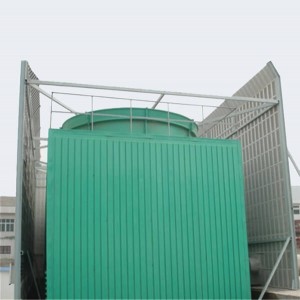
Triangular Cone Noise Barrier is an advanced acoustic barrier system designed to provide superior noise reduction for transportation infrastructure and industrial environments. The barrier features a unique triangular cone-shaped surface structure that effectively disperses and absorbs sound waves, significantly improving overall noise control performance.
Unlike traditional flat noise barriers, the triangular cone design increases the sound absorption area and reduces sound reflection. When noise waves strike the cone-shaped surface, they are scattered and partially absorbed by the internal sound-absorbing materials, resulting in more efficient noise reduction.
The panels are typically manufactured using high-quality galvanized steel or aluminum combined with sound-absorbing materials such as mineral wool or fiberglass. The exterior surface is treated with anti-corrosion coatings like powder coating or hot-dip galvanizing, ensuring excellent weather resistance and long-term durability in outdoor environments.
Triangular cone noise barriers are widely used along highways, urban roads, railways, bridges, and industrial plants where effective noise mitigation and environmental protection are required.


FAQ
1.What is a triangular cone noise barrier?
A triangular cone noise barrier is a sound wall whose traffic-facing panels carry a triangular or cone-shaped profile rather than a flat face. The shape breaks up the incoming wavefront and scatters it, so less energy is reflected straight back across the carriageway and more is absorbed or diffused within the barrier line.
2.Why does a shaped facing help acoustic performance?
A flat, hard face mirrors sound back across the road. A profiled face diffuses that specular reflection in many directions and presents a larger effective absorbing area, which reduces the build-up of reflected energy between opposing barrier runs — the effect that makes two reflective walls perform less well than one.
3.Where is a triangular cone barrier normally specified?
Elevated highways, viaducts and rail corridors where reflected noise is a concern and where a directional or decorative face is wanted. It also suits urban schemes where the planning authority asks for a façade treatment rather than a plain panel.
4.How does the profile affect wind load?
A profiled face presents a larger effective surface and generates more turbulence than a flat panel, so the structural design, post spacing and fixings must be verified against the local design wind speed. The acoustic benefit of the shape should not be specified without that check.